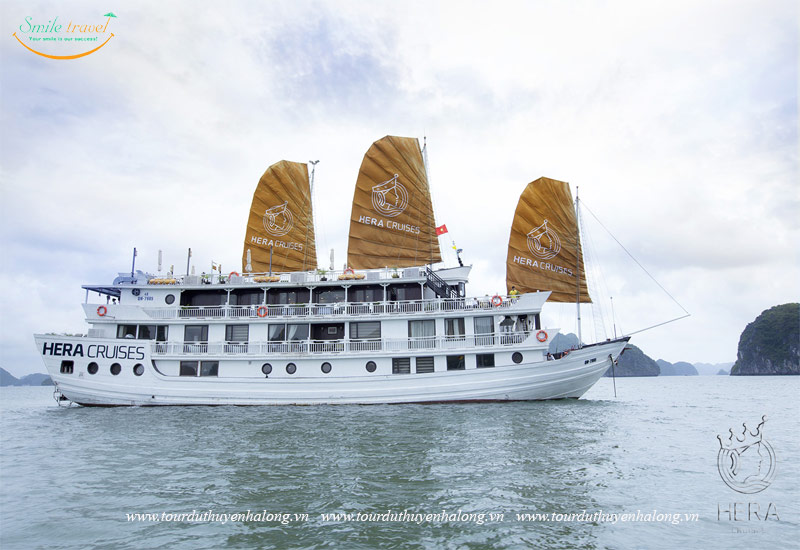



Planning a trip to Vietnam in 2026? No journey to this fascinating Southeast Asian country is complete without spending time in Hanoi. As the capital of Vietnam, Hanoi offers a unique blend of ancient traditions, colonial architecture, vibrant street life, world-famous cuisine, and modern urban energy.
This comprehensive Hanoi Travel Guide 2026 provides everything international travelers need to know before visiting Hanoi, from the best attractions and local food to transportation, accommodation, travel tips, and suggested itineraries.
Whether you are looking for a complete Hanoi travel guide book or simply searching for practical travel advice, this guide will help you experience the very best of Hanoi.

See More:
- hanoi itinerary 1 day
- hanoi itinerary 2 days
- hanoi itinerary 3 days
- hanoi itinerary 4 days
- hanoi itinerary 5 days
- hanoi itinerary 7 days
- hanoi itinerary 6 days
Why Visit Hanoi in 2026?
Hanoi remains one of Asia’s most captivating cities. Unlike many modern capitals, Hanoi has successfully preserved its cultural identity while embracing tourism and international development.
Reasons to visit Hanoi include:
-
Rich history spanning over 1,000 years
-
Authentic Vietnamese culture
-
Affordable travel costs
-
Exceptional street food
-
Beautiful lakes and parks
-
Convenient access to northern Vietnam attractions
-
Friendly local people
-
Growing luxury tourism options
In 2026, Hanoi continues to improve transportation infrastructure, tourism services, and international connectivity, making it easier than ever for foreign visitors to explore the city.
Introduction to Hanoi
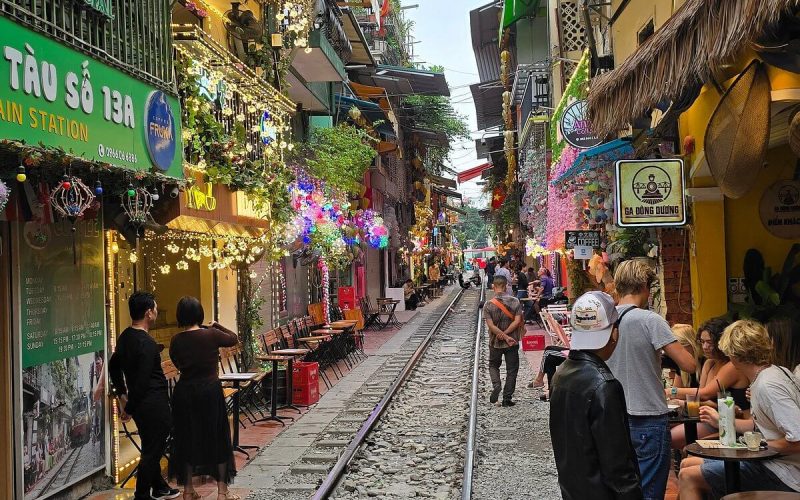
This Hanoi travel guide helps you explore Vietnam’s vibrant capital, where centuries of history meet modern city life. It is not a place of silence; it is a symphony of life. Here, thousand-year-old history doesn’t sit behind glass—it lives on the sidewalks, woven into the chaotic, vibrant daily rush.
Every street here tells a story, you might walk down a street shaded by grand French colonial villas, turn a corner, and suddenly find yourself in the frantic energy of the Old Quarter, where trade has flowed uninterrupted for centuries. You’ll find smoke-filled temples hidden behind modern coffee shops, and peaceful lakes mirroring the skyline of a rapidly modernizing metropolis. Whether you are sipping egg coffee in a secret alleyway or dodging motorbikes to reach a street food stall, this city rewards the curious.
Whether you are sipping egg coffee in a secret alleyway or dodging motorbikes to reach a street food stall, this city rewards the curious. Hanoi is also the perfect gateway to northern Vietnam, connecting easily to destinations Sapa, Ha Giang, Ninh Binh, and Ha Long Bay.
Quick Facts about Hanoi
Before diving into details, here’s a quick snapshot to help you understand what makes Hanoi such a worth experiencing destination.
|
Category |
Details |
|
Location |
Northern Vietnam |
|
Airport |
Noi Bai International Airport (HAN), ~30 km from the Old Quarter (40–50 minutes by car) |
|
Best known |
Thousand-year-old capital, water puppet show, street food culture, colonial architecture, and deep-rooted traditions |
|
Popular areas |
Thang Long Imperial Citadel, Old Quarter, Ho Chi Minh Mausoleum Complex, Hoan Kiem Lake, West Lake, French Quarter |
|
Travel style |
Cultural immersion, food tour, city exploration |
|
Climate |
Four distinct seasons; hot and humid summers (May–Aug), cool winters (Dec–Jan) |
|
Ideal Stay |
2-4 days |
|
UNESCO |
Thang Long Imperial Citadel |
|
Best time to visit |
Autumn (Sept – Nov) & Spring (Feb – Apr) |
What’s in Hanoi
-
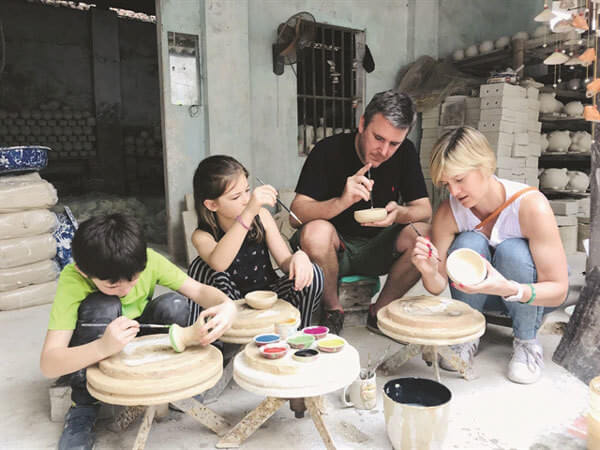
The Old Quarter & 36 Streets: This is the heartbeat of the city. For centuries, each of the 36 streets specialized in a single trade—silver, bamboo, mats, or silk. Today, it is a sensory maze where ancient “tube houses” squeeze between souvenir shops and hotels. It is gritty, loud, and undeniably alive.
-
French Colonial Architecture: The Hanoi French Quarter is a fascinating blend of past and present, where colonial elegance meets vibrant local culture. Known for its broad boulevards lined with majestic buildings and hidden courtyards, this area offers more than just a glimpse into the architectural prowess brought by the French during their time in Vietnam.
-
Ho Chi Minh Mausoleum Complex: West of the Old Quarter lies the political heart of the nation: Ba Dinh Square. This is where President Ho Chi Minh read the Declaration of Independence in 1945. Today, it is a solemn pilgrimage site anchored by the granite Ho Chi Minh Mausoleum. The complex also includes the Presidential Palace, Uncle Ho’s humble Stilt House set in a quiet garden, and the One Pillar Pagoda—a historic temple rising from a lotus pond. It offers a fascinating look at the life of Vietnam’s most revered leader.
-
Water Puppet Theatre: Born in the flooded rice paddies of the Red River Delta, water puppetry (mua roi nuoc) is a distinctively Northern Vietnamese art form. Wooden puppets, controlled by hidden puppeteers standing in waist-deep water, glide across the surface to recount folk legends and rural stories. The Thang Long Water Puppet Theatre near Hoan Kiem Lake is the most famous spot to catch a show, featuring live traditional music and fire-breathing dragons.
-
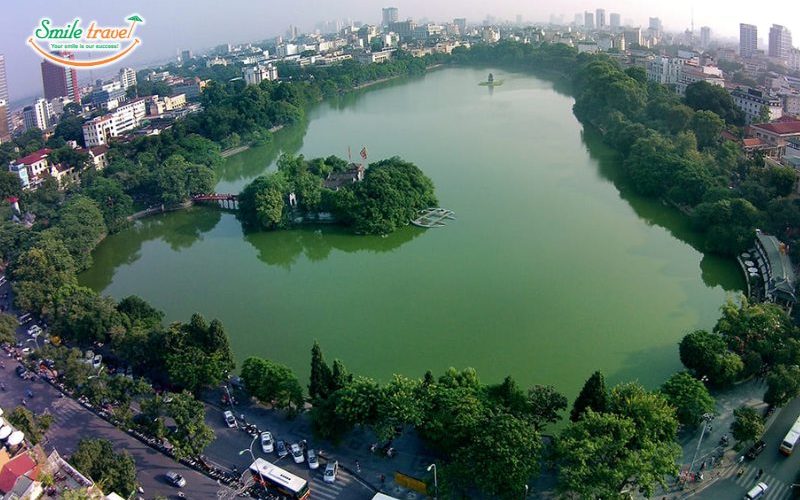
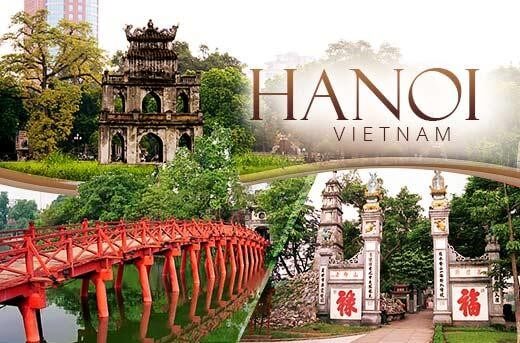
Hoan Kiem lake & Ngoc Son temple: The most iconic example is Ngoc Son Temple, resting on a jade islet in the center of Hoan Kiem Lake. To reach it, you must cross the vibrant red The Huc Bridge (Morning Sunlight Bridge)—a favorite spot for photos. Inside, the temple honors national heroes and preserves the legend of the lake’s giant turtles. It is a place where history, legend, and the natural beauty of the lake converge.
-
Local Life & Sidewalk Culture: Ha Noi’s sidewalks are more than just pathways; they are vibrant social hubs where the city’s energy comes alive. It is where locals gather to sip tea, enjoy street food, and catch up with friends. To truly understand the rhythm of this city, pull up a low plastic stool, order a tra da (iced tea), and immerse yourself in the lively atmosphere as the world goes by.
-
Day-Trips & Beyond: From Ha Noi, it’s easy to reach Ninh Binh’s karst valleys, Ha Long Bay’s emerald waters, and Sapa’s terraced mountains — ideal short escapes from the capital.
How to plan a trip to Hanoi
How long to stay
Plan 2–4 days to enjoy the city’s rhythm — from lakefront mornings to lively evenings in the Old Quarter — and still have time for nearby day trips to Ninh Binh or Ha Long Bay.
Best time to visit Hanoi
|
Season |
Weather |
Best for |
Note |
|
September – November (Autumn) |
Cool air, clear sky, scent of milk flowers fills the streets |
Walking tours, day trips, cyclo or vespa tour |
Bring a light jacket! Cold air masses (gio mua) can arrive suddenly from mid-October, dropping temperatures significantly in the evenings. |
|
February – April (Spring) |
Pleasant weather, often misty (mua nom) |
A great time to visit gardens and enjoy outdoor activities |
Temperatures potentially reaching up to |
|
December – January (Winter) |
Surprisingly cold and grey |
Check-in daisy season. Or enjoy warm dishes like pho, rib porridge, hot rice cake |
Pack warm layers and jacket. |
|
May – August (Summer) |
Hot, humid |
Participate in indoor activities, or visit historical sites |
Heavy rain showers, bring umbrella. |
 40 Celsius Degree and frequent downpours.
Money & Connectivity
-
Credit cards: work well in hotels and upscale restaurants, but cash remains essential in street stalls and markets. ATMs are widely available.
-
SIM Cards: Buy a Viettel or Vinaphone SIM at the airport for the best coverage, especially if you plan to head to the mountains (Sapa/Ha Giang) later.
Local etiquette
-
Smile often – It’s the universal language here and opens doors everywhere.
-
Dress modestly: Cover your shoulders and knees when visiting sacred sites like the Temple of Literature or One Pillar Pagoda.
-
Avoid pointing your feet at people or sacred objects — it’s considered impolite.
-
Tipping isn’t mandatory, but a small gesture (5–10%) is always appreciated at restaurants, cafés, and by guides or drivers.
-
Use both hands when giving or receiving something, especially to elders — it shows respect.
-
Take your shoes off when entering someone’s home or certain traditional spaces.
-
When in doubt, follow the locals — and don’t be afraid to ask. Vietnamese people are happy to share their customs if you show interest.
Getting to Hanoi
By Air: Noi Bai International Airport (HAN) welcomes both international and domestic flights daily. It is about 45 minutes from the Old Quarter.
By Train: Ha Noi is the hub of Vietnam’s railway network. The Reunification Express connects the capital to the south, while overnight trains whisk travelers to the mountains of Sapa (Lao Cai). Slow Travel Tip: The train station itself is a relic of history. Arrive early to watch the trains roll in through the heart of the city—a uniquely Hanoian experience.
By bus: Frequent buses and luxury “limousine vans” link Hanoi with Ninh Binh, Sapa, and Ha Long Bay. They are often faster than the train for short distances.
Getting Around:
-
Walking: The best way to explore the Old Quarter, though you’ll need to be brave when crossing streets! Follow the locals.
-
Grab: The Southeast Asian version of Uber. It’s cheap, reliable, and you can book both cars and motorbike taxis.
-
Cyclo: A traditional three-wheeled bicycle taxi. Great for a slow, scenic loop around Hoan Kiem Lake.
-
Electric Bus: Eco-friendly open-air buses run tours around the Old Quarter and West Lake.
Local festivals & events
Tet (Lunar New Year) – January/February
- The city empties out as locals return to their hometowns. It is quiet, peaceful, and filled with peach blossoms (hoa dao).
Mid-Autumn Festival – September
- The streets of the Old Quarter, especially Hang Ma Street, explode with color, lanterns, and toys. It is a festival for children but enjoyed by everyone.
Perfume Pagoda Festival – Feb/March
A major pilgrimage season where thousands travel by boat and foot to the Huong Tich Cave south of Hanoi.
Best Things to Do in Hanoi
1. Wander the Old Quarter
A maze of narrow streets, colonial facades, and centuries-old shop houses, Hanoi’s Old Quarter is best explored on foot. Each street reflects its traditional trade, while temples, street food stalls, and hidden cafés reveal the rhythm of daily life. It is the best place to observe local culture, sample iconic dishes, and experience the city’s historic atmosphere.
2. Visit the Temple of Literature
Built in 1070, this was Vietnam’s first national university. Dedicated to Confucius, it’s a rare oasis of calm with five courtyards, stone stelae, and manicured gardens.
3. Circle Hoan Kiem Lake
The lake is the soul of the city. Go at sunrise to see locals practicing Tai Chi and ballroom dancing, or visit on weekends when the surrounding streets become a pedestrian-only zone filled with music and games.
4. Explore the Ho Chi Minh Mausoleum Complex
Visit the resting place of Vietnam’s most revered leader, Uncle Ho. The complex also includes the Presidential Palace, his humble Stilt House, and the One Pillar Pagoda.
5. Watch a Water Puppet Show
A unique art form originating from the flooded rice paddies of the Red River Delta. Wooden puppets dance on water to the sound of live traditional music—a charming cultural experience.
6. Try Egg Coffee at a Hidden Café
Invented in Hanoi during milk shortages, this drink is like liquid tiramisu. Head to a hidden café (like the famous Giang Café) to taste the rich, creamy blend of egg yolk, sugar, and robust robusta coffee.
7. Walk Across Long Bien Bridge
Designed by Gustave Eiffel’s firm, this rusty iron bridge spans the Red River. It’s a favorite spot for photographers and a great place to watch the sunset over the banana plantations below
8. Visit Dong Xuan Market
Hanoi’s largest indoor market is a bustling hive of wholesale trade. Even if you aren’t buying, it’s a fascinating place to see the sheer volume of goods moving through the city.
9. Join a Hanoi Jeep Tour
A Hanoi Jeep Tour offers a unique way to explore both iconic landmarks and lesser-known neighborhoods. Riding in an open-air military-style jeep, you’ll pass through bustling boulevards, quiet backstreets, and local residential areas while learning about the city’s history and everyday life from a local guide. It is especially popular for travelers who want a broader overview without extensive walking.
What to Eat in Hanoi
Food Must-Try:
-
Pho Bo: The iconic beef noodle soup — best at early morning hours.
-
Bun Cha: Grilled pork with rice noodles and herbs — bold and memorable.
-
Cha Ca La Vong: Turmeric-grilled fish with dill, peanuts and rice-noodles.
-
Banh Cuon: Delicate steamed rice rolls filled with pork and mushrooms.
-
Nem Ran: Golden deep-fried spring rolls — a street-food staple.
-
Ca Phe Trung: Hanoi’s famous egg-coffee: rich, creamy and unforgettable.
-
Bun Thang: A refined chicken-and-egg noodle dish – local and distinctive.
-
Banh Mi Ha Noi: A Hanoi-style baguette, crusty and filled with local flair.
-
Nom Bo Kho: Dried beef salad with green papaya — refreshing and unique.
-
Xoi Xeo: Sticky rice topped with mung beans and fried shallots — simple, tasty, satisfying.
Tips for a smooth trip
-
Crossing the Street: The traffic looks terrifying, but there is a rhythm. Walk slowly and steadily. Do not stop or step back; drivers will weave around you. If you are unsure, follow a local—walk beside them and cross together.
-
Rush Hour & Flights: Rush hour in the city is generally from 07:0 – 09:00 and 16:30 – 18:30. If you have a flight during these times, it is best to add 1 hour of buffer time to your travel plan.
-
Bargaining: In markets like Dong Xuan, bargaining is expected. Start at about 60-70% of the asking price and smile—it’s a social interaction, not a battle.
Where to Go Next?
-
Ninh Binh (2 hours): Often called “Ha Long Bay on Land,” featuring boat rides through rice paddies and caves.
-
Sapa (5-6 hours): Head north to the mountains for trekking, terraced rice fields, and ethnic minority cultures.
-
Halong Bay (2.5 – 3 hours): The UNESCO World Heritage site of emerald waters and thousands of limestone islands.
-
Mai Chau (3.5 hours): A peaceful valley home to the White Thai ethnic group, perfect for cycling and stilt-house stays.
For a broader view, see how to plan a “perfect” One Week in Vietnam Itinerary (Northern part)
- Mobile: +84 865382168 Whatsapp/Line/Viber/KakaoTalk/Line/Wechat
- Website: https://smiletravel.net
- Fanpage: https://www.facebook.com/smiletravel.net
Support & Help
 |
Hotline:+84 346190168 |
 |
Zalo: +84 346190168 |
 |
Messenger: https://www.facebook.com/smiletravelindochina |
 |
Email: smiletravelindochina@gmail.com |
Q & A
We are supported a lot in terms of prices such as hotels, restaurants, tourist cars. From there, we confidently commit to competitive land tour prices and free support from us.
Visitors who buy our tours are guaranteed by the Vietnam National Administration of Tourism.
The event program will need a lot of small details, and that local service relationship is us, contact us to request, we are ready to serve.
We support you with all free information such as: self-sufficient travel, study, business, where to eat, where to have fun

May be you like
 | 7 days 6 nights | |
 | Pick-up: | Hanoi |
| 1 day | |
| Pick-up: | Ho Chi Minh |
| 15 days 14 nights | |